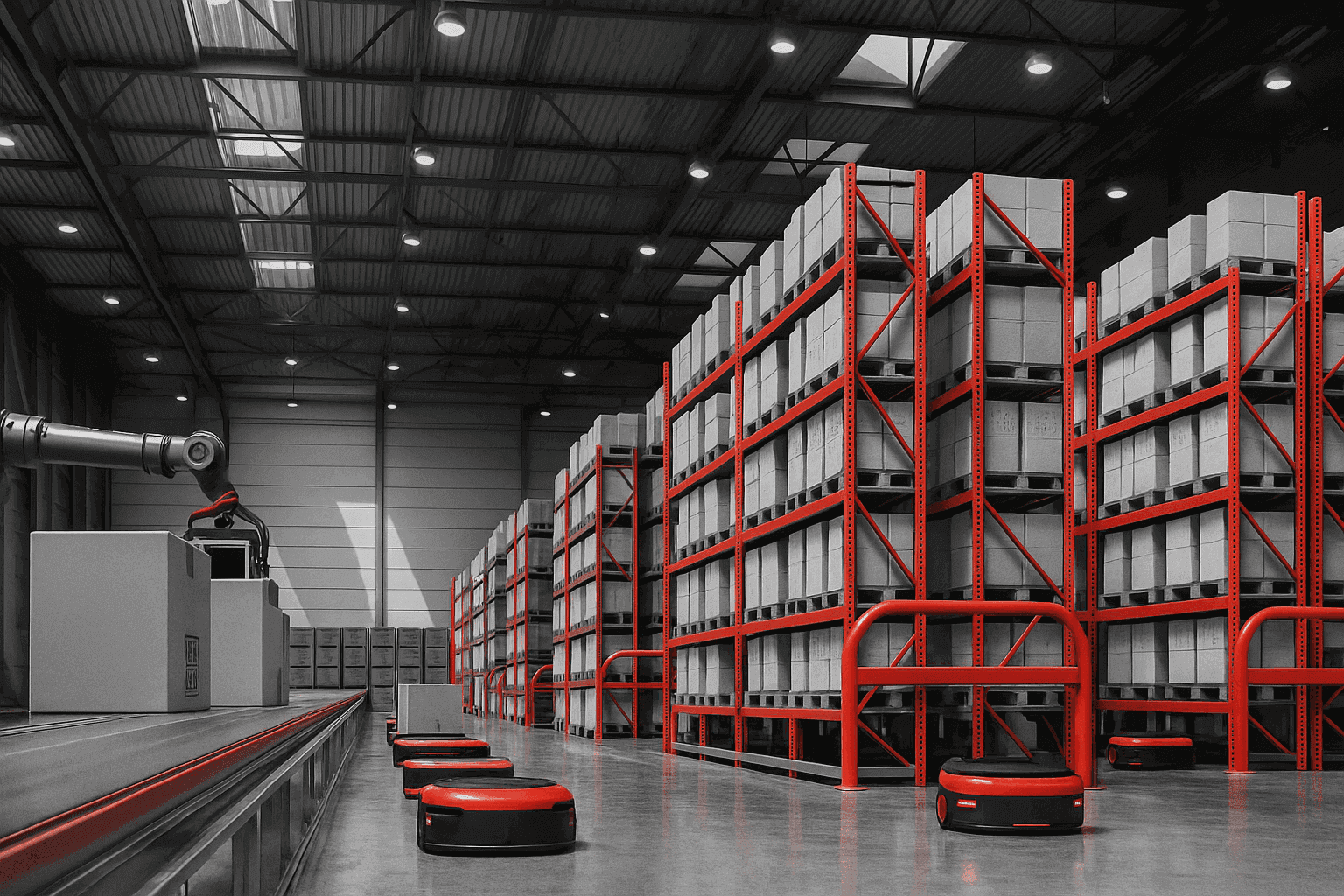

ROI of Robotics in Warehouses

The ROI of Robotics in Warehouses: Is the Investment Worth It?

Warehouse automation has moved from futuristic concept to practical reality. As businesses face mounting pressure to fulfil orders faster, manage labour shortages, and control operational costs, robotics and automation equipment are increasingly seen as viable solutions. However, the question on every operations manager’s mind remains the same: does the return on investment justify the significant upfront expenditure?

Understanding the true ROI of material handling automation requires looking beyond the initial price tag. The answer lies in examining both the tangible financial benefits and the less obvious operational improvements that these automation solutions deliver across the supply chain industry.

The Initial Investment Challenge


There’s no denying that industrial robots represent a substantial capital outlay. Depending on the scale of warehouse operations and the type of technology deployed, businesses might invest anywhere from hundreds of thousands to several million pounds.

This figure typically includes:

Infrastructure modifications to accommodate the technology

Software integration and Warehouse Control System connections

Staff training programmes

Ongoing maintenance contracts

For many organisations, particularly small to medium-sized enterprises, this initial barrier appears daunting. However, focusing solely on upfront costs without considering long-term gains presents an incomplete financial picture.

Quantifying the Returns

The most immediate and measurable benefit of warehouse robotics appears in labour cost reduction. According to industry research, automated systems can reduce labour requirements for order processing and picking operations by up to 70%. In sectors experiencing persistent recruitment challenges and rising wage costs, this translates into significant annual savings.


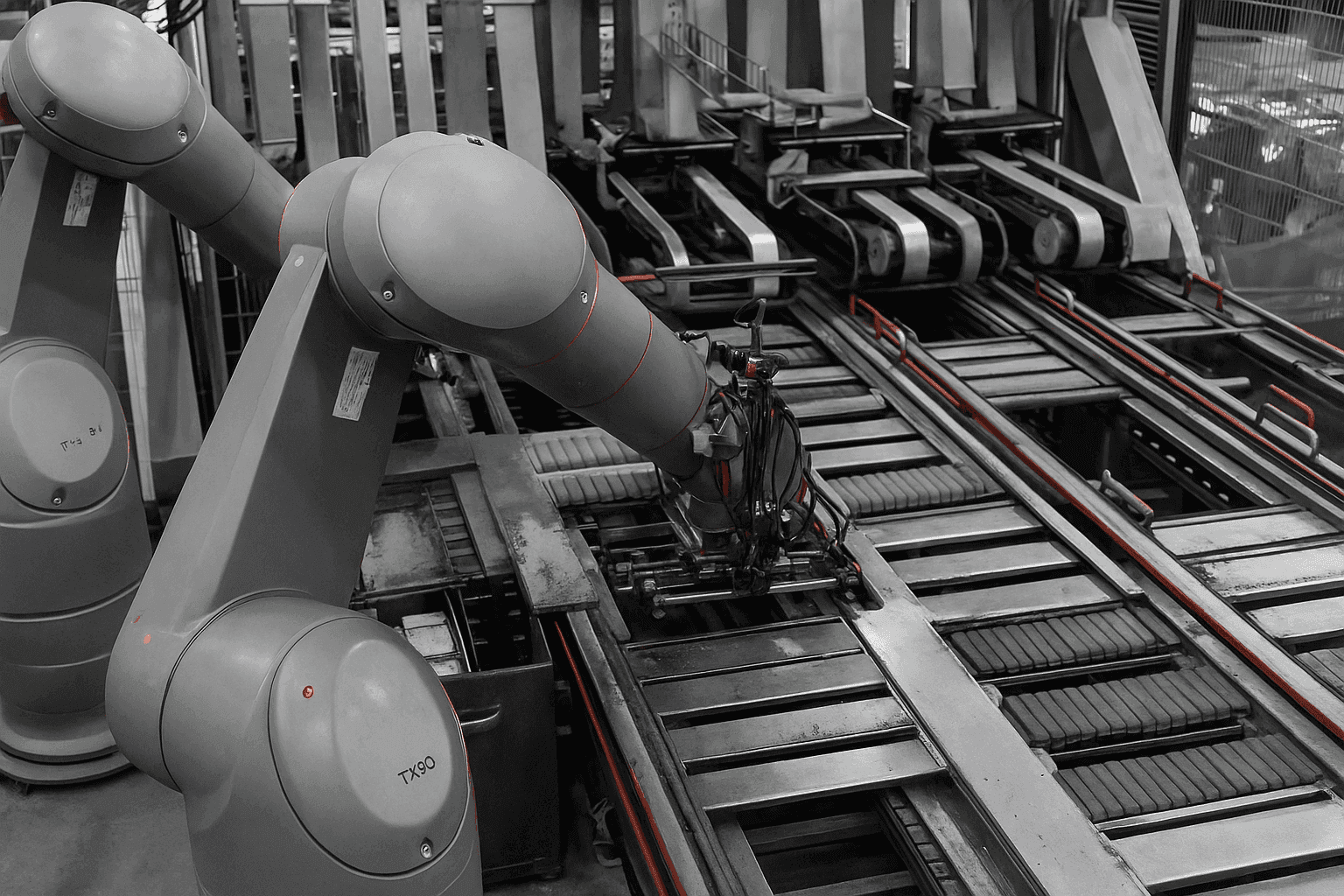
Productivity gains offer another clear return. Autonomous mobile robots (AMRs), mobile robots, and industrial robot arms can operate continuously without breaks, maintaining consistent performance throughout shifts. Studies indicate that automated guided vehicles and robotic picking systems can increase throughput by 200–300% compared to manual operations. This enhanced capacity enables businesses to handle peak demand periods without temporary staff or overtime expenses.


Accuracy improvements also contribute to ROI. Manual picking processes typically achieve accuracy rates of 95–97%, whilst Robotics systems consistently deliver 99.9% order accuracy. The reduction in picking errors directly impacts several cost centres: fewer returns, reduced waste, lower customer service overhead, and improved customer satisfaction

Hidden ROI Drivers: Space, Safety, and Scalability


Whilst labour savings and productivity gains dominate ROI calculations, several less tangible benefits significantly impact the bottom line.


ROBOT SYSTEM

Space optimisation

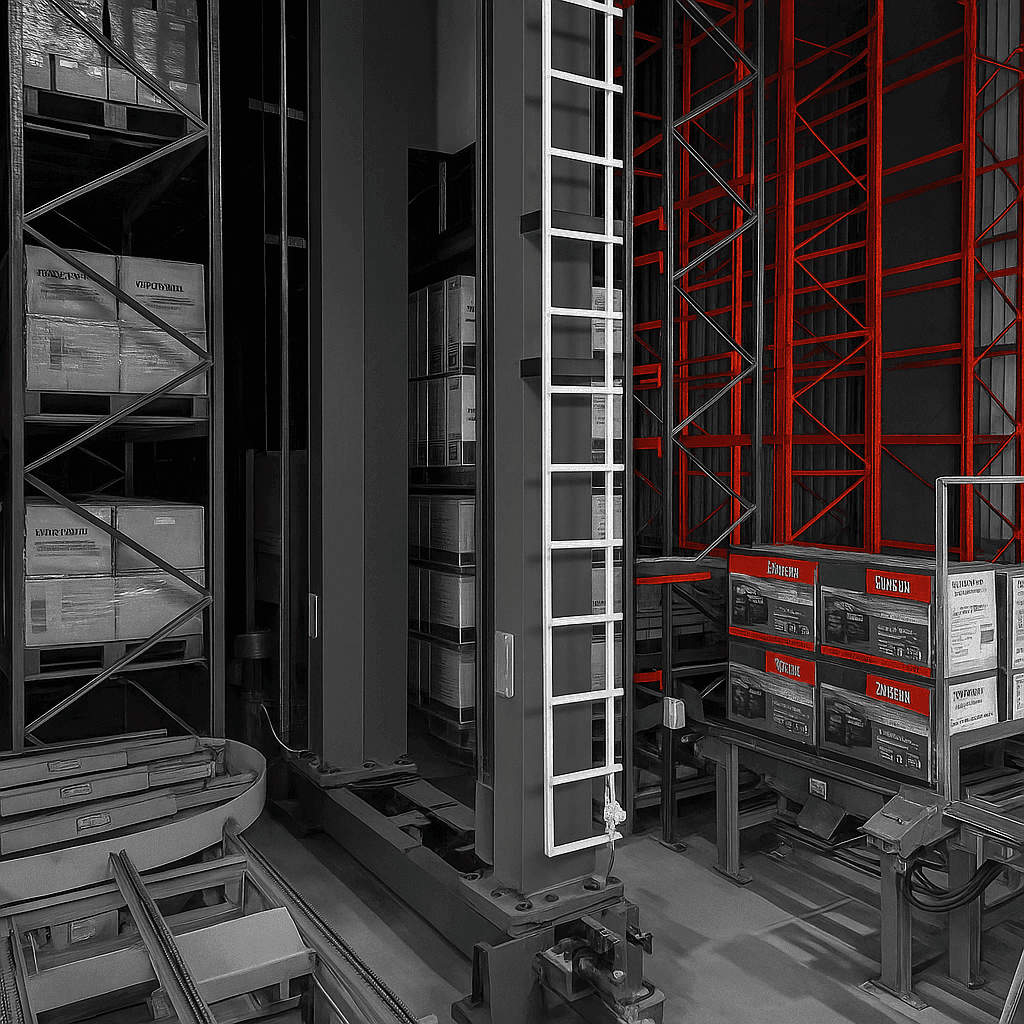
Space optimisation often emerges as an unexpected advantage. Robotic systems enable high storage density configurations that maximise vertical space usage. Warehouses implementing automated storage and retrieval systems report space utilisation improvements of 40–60%, potentially delaying or eliminating the need for facility expansion.

Safety improvements

Safety improvements present another financial consideration. Manual material handling accounts for a substantial proportion of workplace injuries in warehouse environments. Automated systems handle heavy lifting and repetitive tasks, reducing accident rates and associated costs including workers’ compensation claims, lost productivity, and potential regulatory penalties.

Scalability

Scalability represents a strategic advantage that becomes increasingly valuable as businesses grow. Unlike hiring and training additional staff, scaling robotic operations typically involves deploying additional units within existing infrastructure. Dynamic automation offers the flexibility to respond efficiently to seasonal fluctuations and business growth.

The Payback Timeline


Industry data suggests that most warehouse robotics implementations achieve payback within two to four years. However, this timeline varies considerably based on several factors:


Operations with high labour costs and significant picking volumes typically see faster returns. Facilities running multiple shifts gain more value from 24/7 robotic operation. Businesses in sectors with tight margins and high picking accuracy requirements often justify investments more readily.


The specific technology chosen also influences payback periods. Collaborative robots that work alongside human staff generally require lower initial investments and integrate more quickly than fully automated systems. Meanwhile, comprehensive automation of entire facilities demands greater upfront investment but delivers more substantial long-term savings.


Making the Decision


Calculating ROI for industrial robots and automation equipment isn’t purely a financial exercise. Successful implementations require honest assessment of current operational pain points, realistic projections of future growth, and careful consideration of which processes benefit most from automation.


Businesses should begin by identifying specific bottlenecks within their warehouse operations. Is the challenge picking efficiency, accuracy, labour availability, or space constraints? Different robotic solutions address different problems, and matching technology to need ensures optimal returns.


Starting with pilot programmes allows organisations to test systems, measure actual performance gains, and refine ROI calculations before full-scale deployment. Many companies adopt a phased approach, automating high-impact areas first and expanding as benefits materialise.

The Broader Perspective

The question of whether investment in warehouse robots proves worthwhile ultimately depends on individual circumstances. For businesses facing labour shortages, handling high order fulfilment volumes, or competing in markets where delivery speed matters, the returns often justify the investment within a reasonable timeframe. The technology continues advancing whilst costs gradually decrease, driven by machine learning, artificial intelligence, and improved automation equipment design. These innovations enhance inventory accuracy, error reduction, and picking accuracy while integrating seamlessly with Warehouse Control Systems and supply chain software.


As /e-commerce growth shows no signs of slowing and customer expectations for rapid fulfilment intensify, automation in logistics is shifting from competitive advantage to operational necessity. Humanoid robots, autonomous mobile robots, and Robotic pickers are shaping the future of warehouse automation, making investment not just worthwhile, but essential for long-term efficiency and profitability across the supply chain industry.

robotics for supply chain efficiency
lac-white-logo

CONTACT US

Unit 3, Charles Park, Cinder Hill Road, Bulwell, Nottingham NG6 8RE

0115 975 3300

Sales enquiries: sales@lacgroup.co.uk

AFTER SALES ENQUIRIES