How Conveyor Systems Are Transforming the Retail Industry

How Conveyor Systems Are Transforming the Retail Industry

The retail landscape has undergone significant transformation in recent years, driven by evolving consumer expectations and the rapid growth of e-commerce.

Behind the scenes, conveyor belt systems and bespoke conveyors have emerged as critical infrastructure, enabling retailers to meet demanding delivery timeframes whilst maintaining operational efficiency. From distribution centres to click-and-collect facilities, automation solutions and automated conveyors are reshaping how products move through the retail supply chain.

The Evolution of Retail Logistics


Traditional retail operations relied heavily on manual processes, with warehouse staff physically moving products from storage to dispatch areas. This labour-intensive approach proved increasingly unsustainable as online shopping gained momentum. Modern retailers now handle significantly higher order volumes, often with reduced fulfilment windows. Same-day and next-day delivery services have become standard offerings rather than premium options, placing unprecedented pressure on logistics operations.

Conveyor systems provide the throughput capacity necessary to manage these elevated demands. Automated sortation and transportation reduce the time required to process individual orders whilst simultaneously decreasing the physical strain on warehouse personnel. This shift allows retail businesses to scale operations without proportionally increasing their workforce, addressing both efficiency and labour shortage challenges.

Applications Across Retail Environments

Distribution Centres and Fulfilment Operations

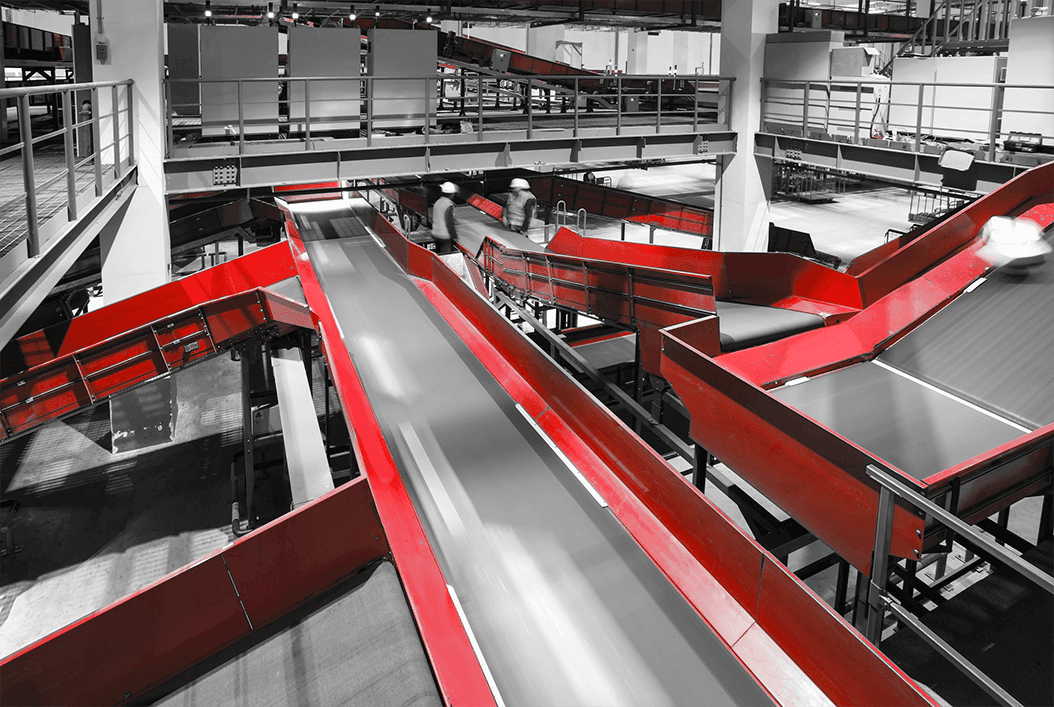
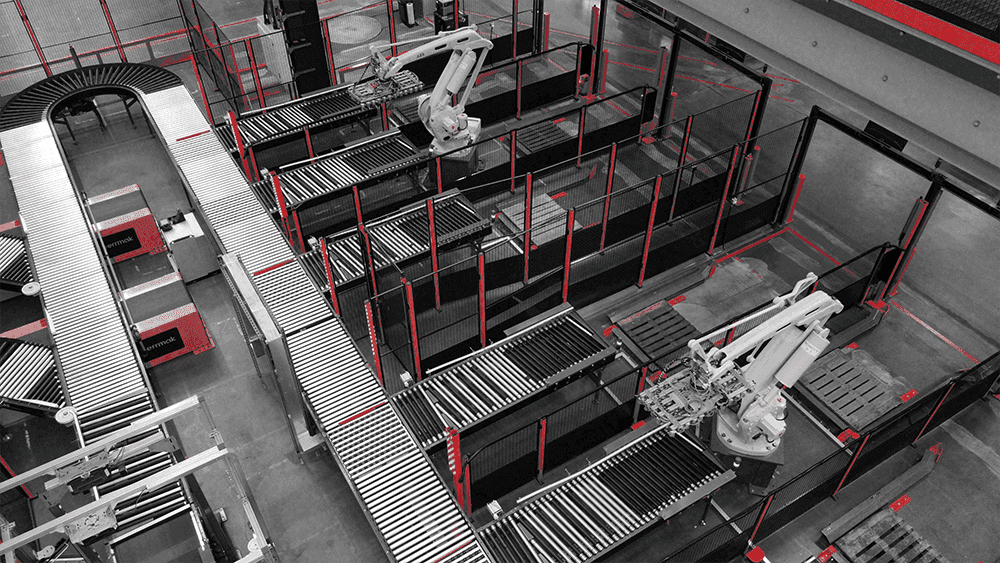
Large-scale distribution centres represent the most visible application of conveyor technology in retail. These facilities serve as central hubs, receiving inventory from suppliers and redistributing products to stores or directly to consumers. Modern systems integrate multiple conveyor types, such as modular belt conveyors, chain conveyors, and belt and roller conveyors, to create seamless material flow from receiving docks through storage zones to packing and dispatch areas.


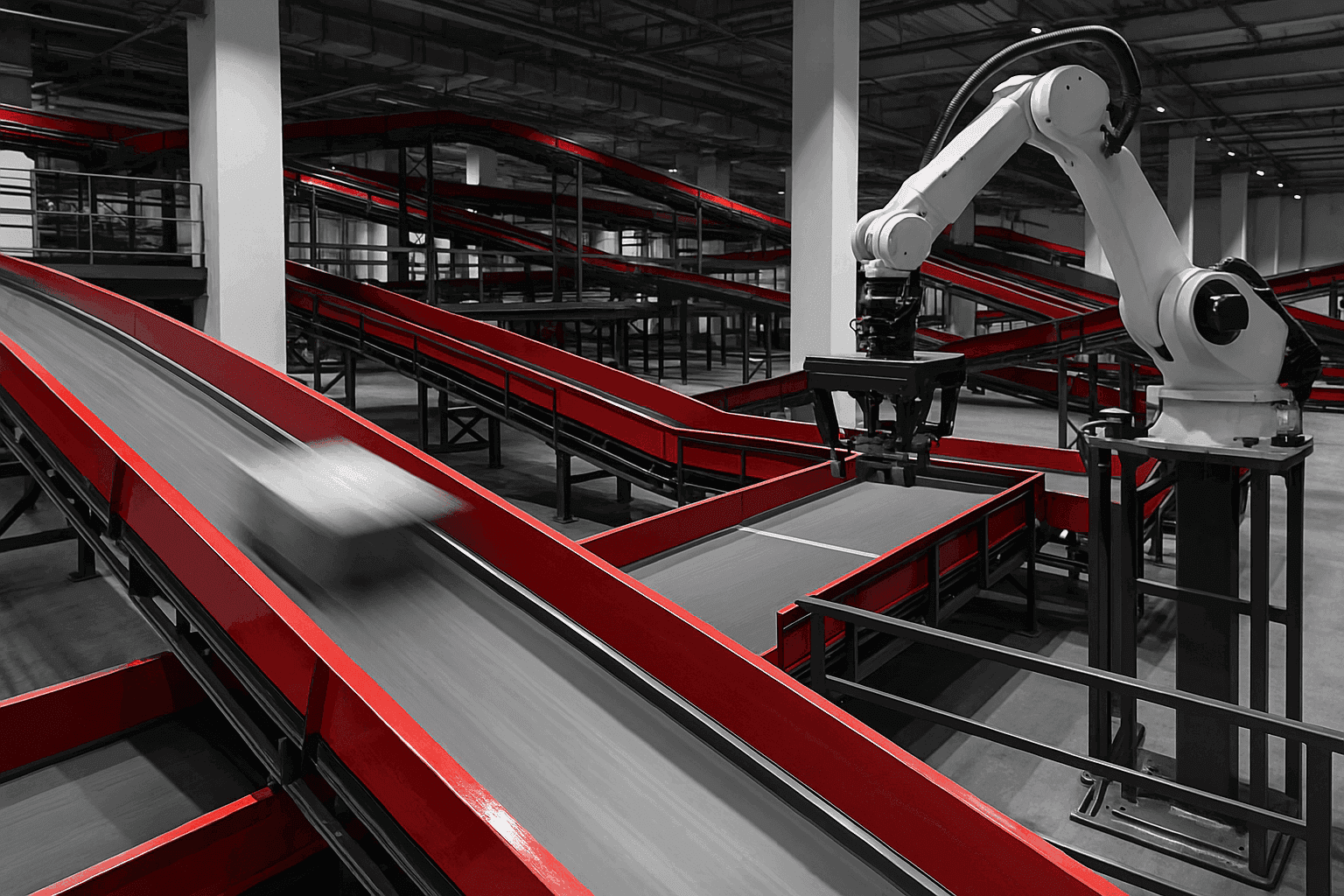
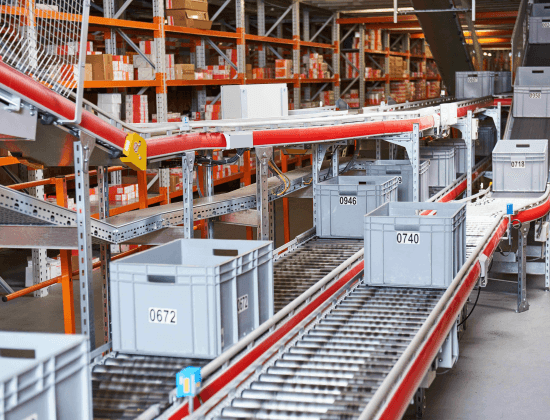
Belt conveyors handle the bulk transportation of goods across extended distances within these facilities. Roller conveyors and flexible conveyors provide accumulation zones where products can pause without disrupting overall flow. Sortation systems, including cross-belt and tilt-tray configurations, automatically direct items to appropriate destinations based on barcode scans or RFID tags. This orchestrated movement significantly reduces handling time compared to manual cart-based systems.


Returns Processing Facilities

The growth of online retail has created a corresponding increase in product returns, with some sectors experiencing return rates exceeding 30%. Processing these returns efficiently is essential for maintaining inventory accuracy and recovering value from returned merchandise. Dedicated returns facilities utilise automated conveyors to streamline inspection, repackaging, and redistribution workflows.


Conveyor Rollers transport returned items through quality control stations where staff assess product condition. Items suitable for resale move along designated paths back into available inventory, whilst damaged goods divert to separate processing areas. This automated routing ensures consistent handling whilst maximising the speed at which returned products re-enter the sales cycle.


Click-and-Collect Facilities

The rise of omnichannel retail has prompted many businesses to establish dedicated click-and-collect locations. These facilities combine aspects of traditional warehousing with customer-facing service areas. Retail conveyors within these spaces enable rapid order preparation, transporting picked items from storage zones to collection points.


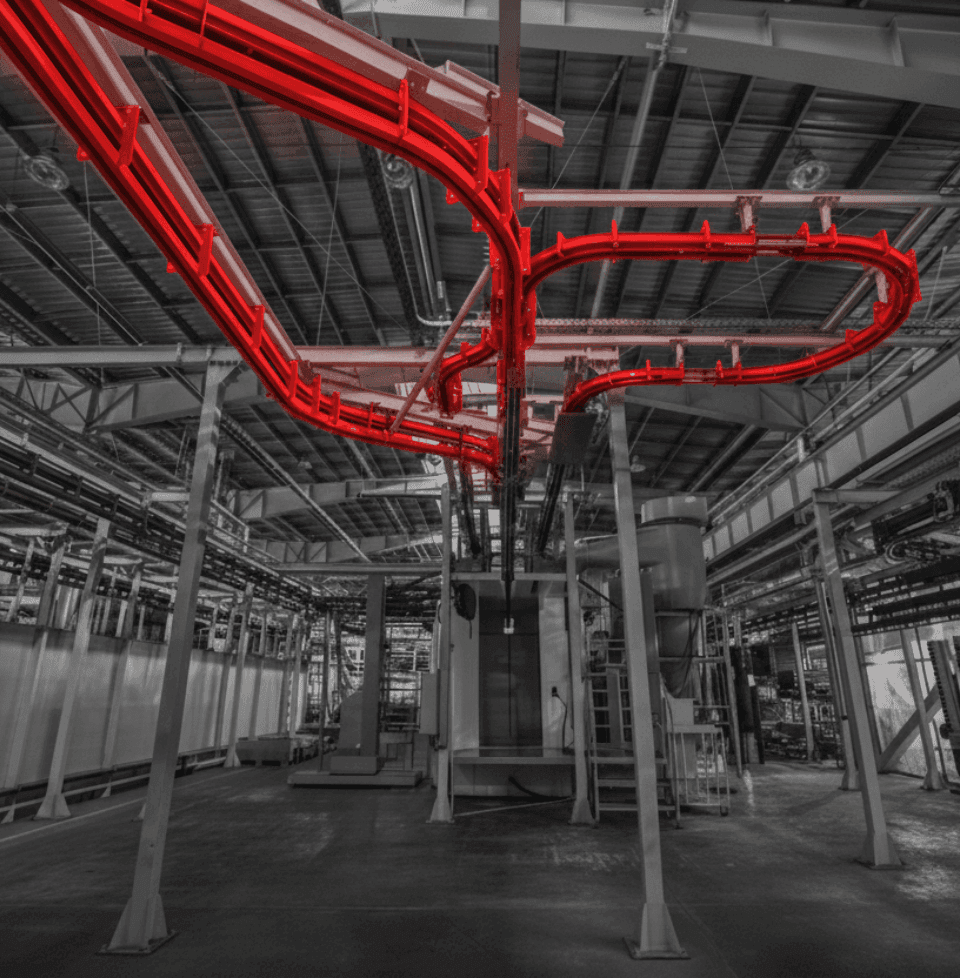
Compact modular conveyor systems suit the space constraints often encountered in urban click-and-collect locations. Spiral conveyors efficiently move products between floors in multi-level facilities, whilst overhead conveyors preserve valuable floor space for customer service areas and parking. The speed and reliability of these systems directly influence customer satisfaction, as collection wait times remain a key performance metric for these services.
Operational Benefits for Retailers


how can conveyors help your businesss


conveyor systems alongside other conveyors

Enhanced Processing Speed

Conveyor systems dramatically accelerate order fulfilment timelines. Automated transportation eliminates walking time for warehouse staff, allowing them to focus on value-adding tasks such as picking and packing. High-capacity pallet handling and sortation systems can process thousands of items per hour, enabling retailers to clear order backlogs more effectively during peak trading periods.

Improved Accuracy

Integration with warehouse management and control systems ensures products move to correct destinations throughout the fulfilment process. Automated scanning at conveyor transfer points creates audit trails, reducing mispicks and shipping errors. This accuracy proves particularly valuable for fashion and electronics retailers, where incorrect shipments generate costly returns and customer dissatisfaction.

Space Optimisation

Modern conveyor designs maximise the use of three-dimensional space within retail facilities. Vertical and stainless steel conveyors increase storage density without expanding building footprints. This efficiency matters particularly in urban locations where property costs significantly impact operational budgets.

Workforce Safety

Reducing manual handling tasks decreases workplace injuries associated with repetitive lifting and extended walking distances. Ergonomic workstation design, enabled by bringing products to stationary workers via belt and roller conveyors, minimises strain-related absence and associated costs.

The Future of Retail Conveyance

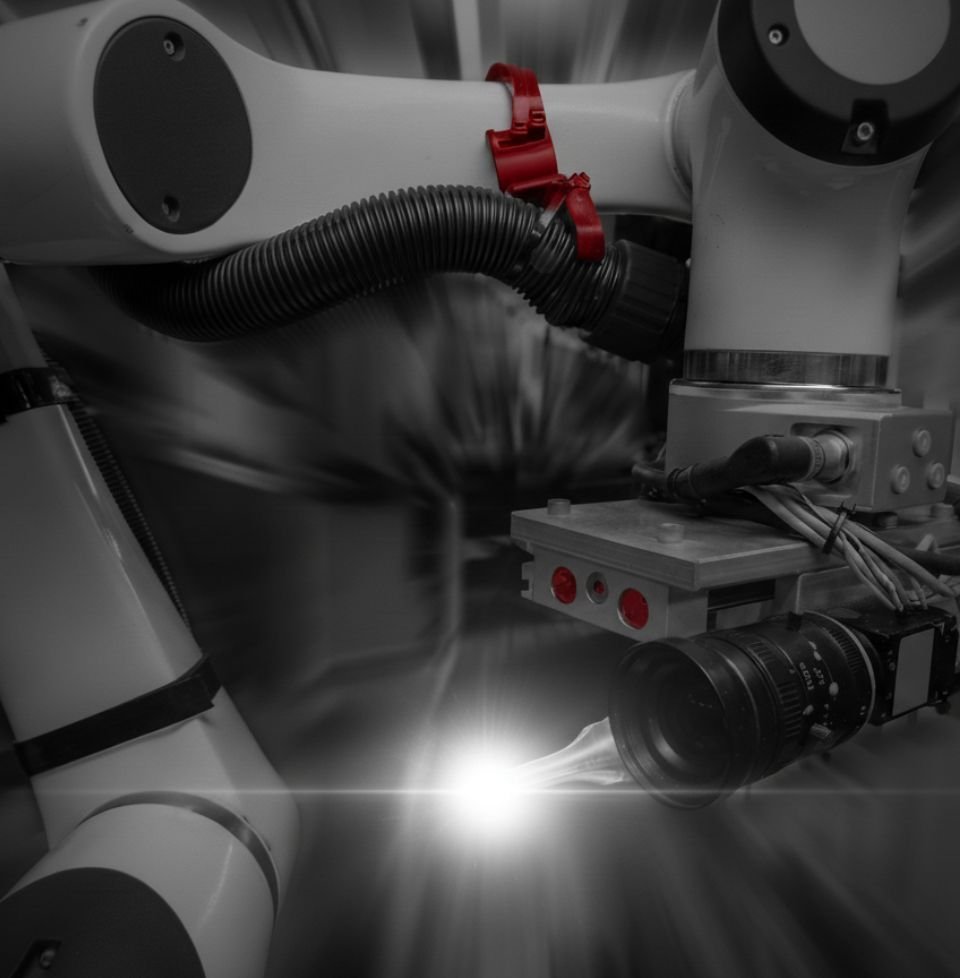
As retail continues its digital evolution, warehouse automation systems will increasingly incorporate artificial intelligence and machine learning capabilities. Predictive maintenance algorithms will anticipate component failures before they disrupt operations, whilst adaptive routing will optimise flow based on real-time order patterns. The integration of warehouse robots and system integrators with fixed modular conveyors represents another emerging trend, creating flexible hybrid setups that combine the reliability of traditional conveyance with the adaptability of mobile systems.


Retailers investing in advanced automation technology and conveyor systems position themselves to meet future consumer expectations whilst maintaining competitive operational costs. These automation solutions form the foundation upon which modern retail logistics operates, enabling the seamless experiences customers now expect as standard.

Hachette LAC CONVEYORS
lac-white-logo

CONTACT US

Unit 3, Charles Park, Cinder Hill Road, Bulwell, Nottingham NG6 8RE

0115 975 3300

Sales enquiries: sales@lacgroup.co.uk

AFTER SALES ENQUIRIES