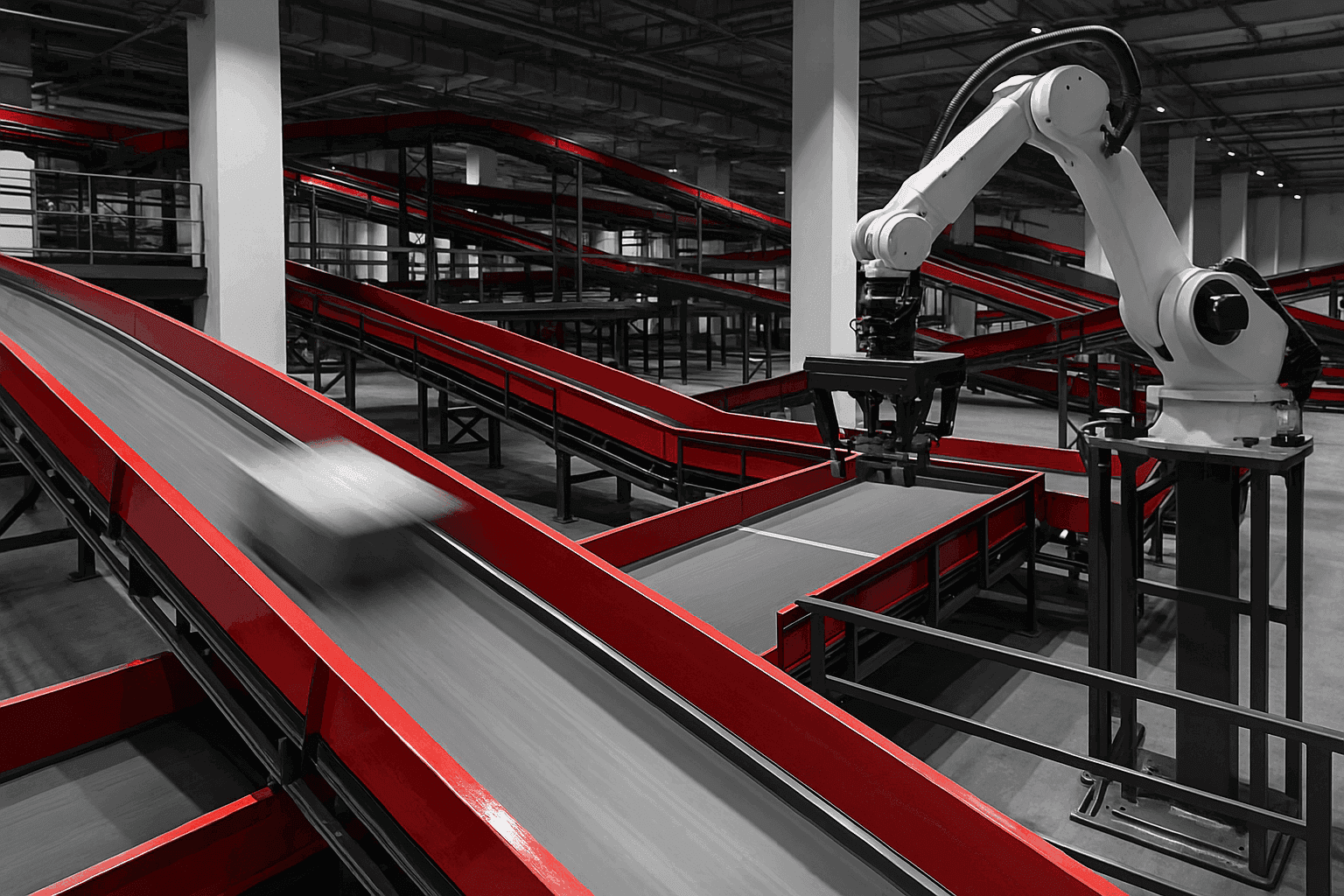
high-speed conveyor systems

Integrating High-Speed Conveyors with Robotics for Faster Order Processing

Order fulfilment is one of the most under-pressure tasks in today’s industrial automation landscape. It’s no longer just about moving products from A to B; it’s about doing so with speed, precision, and flexibility. Across industry sectors such as e-commerce, food & beverage, retail, manufacturing, and pharmaceuticals, companies face increasing pressure to shorten lead times while maintaining accuracy and compliance.

Helping to meet these objectives are high-speed conveyor solutions. And when integrated with robotics, automation systems, and complementary automation technologies, they really show their worth in transforming how businesses process orders at scale.

Types of Conveyors in Order Processing

Order processing is often fast and furious, relying on the right automated conveyor systems to ensure a consistent flow of goods. The choice of conveyor depends on the industry and the type of product being handled, examples of which include:


Belt Conveyors – ideally suited for e-commerce and retail, handling parcels of different shapes and sizes smoothly and efficiently.

Roller Conveyors – both gravity and motor-driven chain or roller conveyors are widely used in distribution centres and manufacturing for transporting cartons and totes.

Modular Plastic Belt Conveyors – offer hygienic, easy-to-clean surfaces that make them ideal for food & beverage operations.

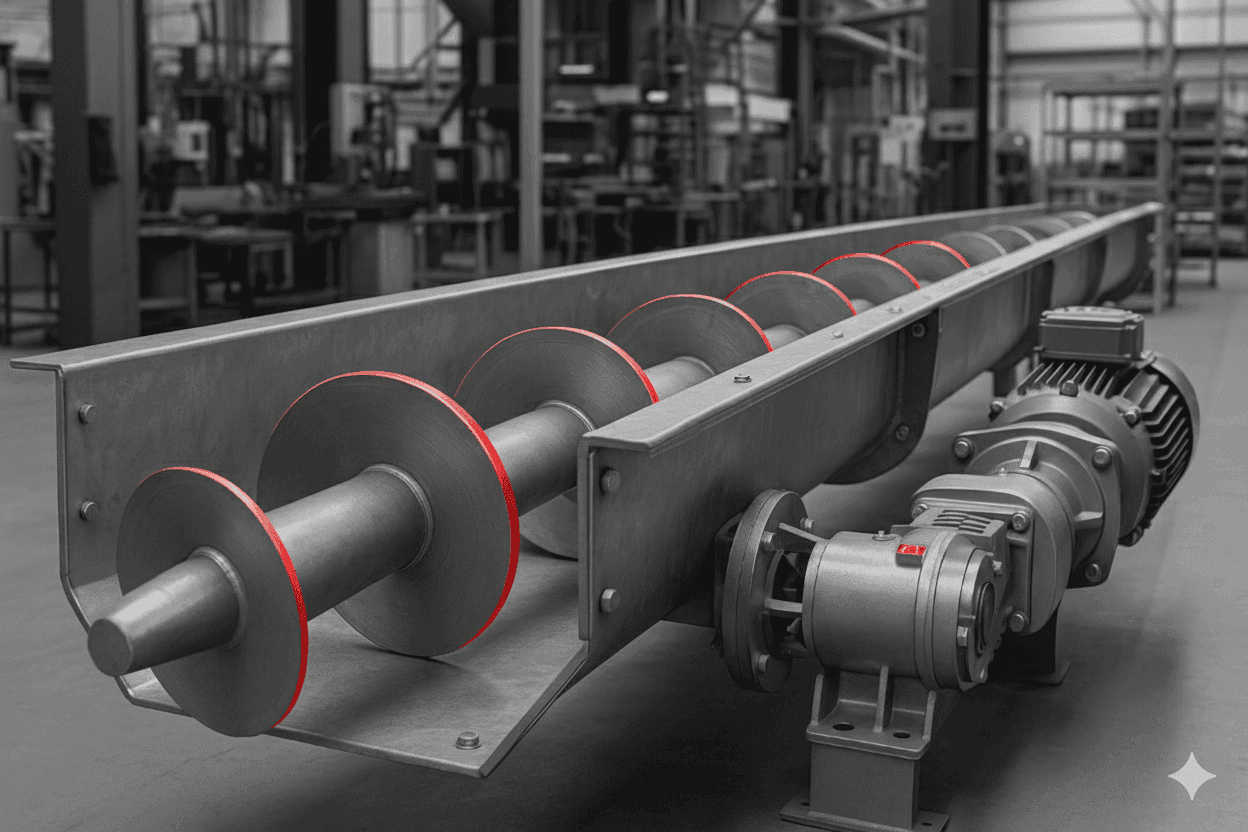
Spiral or Vertical Conveyors – enable vertical transport of goods in warehouses with limited floor space, ensuring continuous product flow between levels.

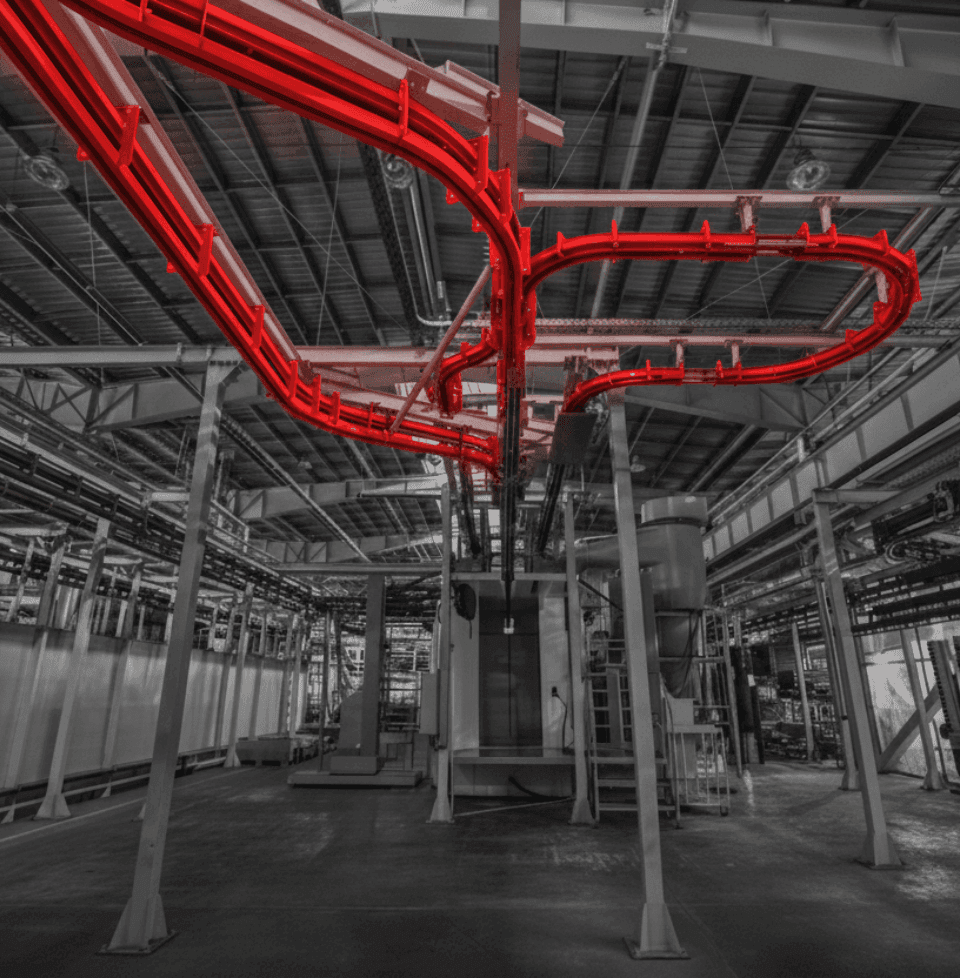
Overhead Conveyors – free up valuable floor space and are typically seen in garment retail and on manufacturing assembly lines.

Extendable or Boom Conveyors – particularly useful for truck loading and unloading in high-volume e-commerce operations.

Pharmaceutical-Grade Conveyors – designed for cleanroom environments, with stainless steel and easy-wash surfaces to ensure compliance with strict hygiene standards.
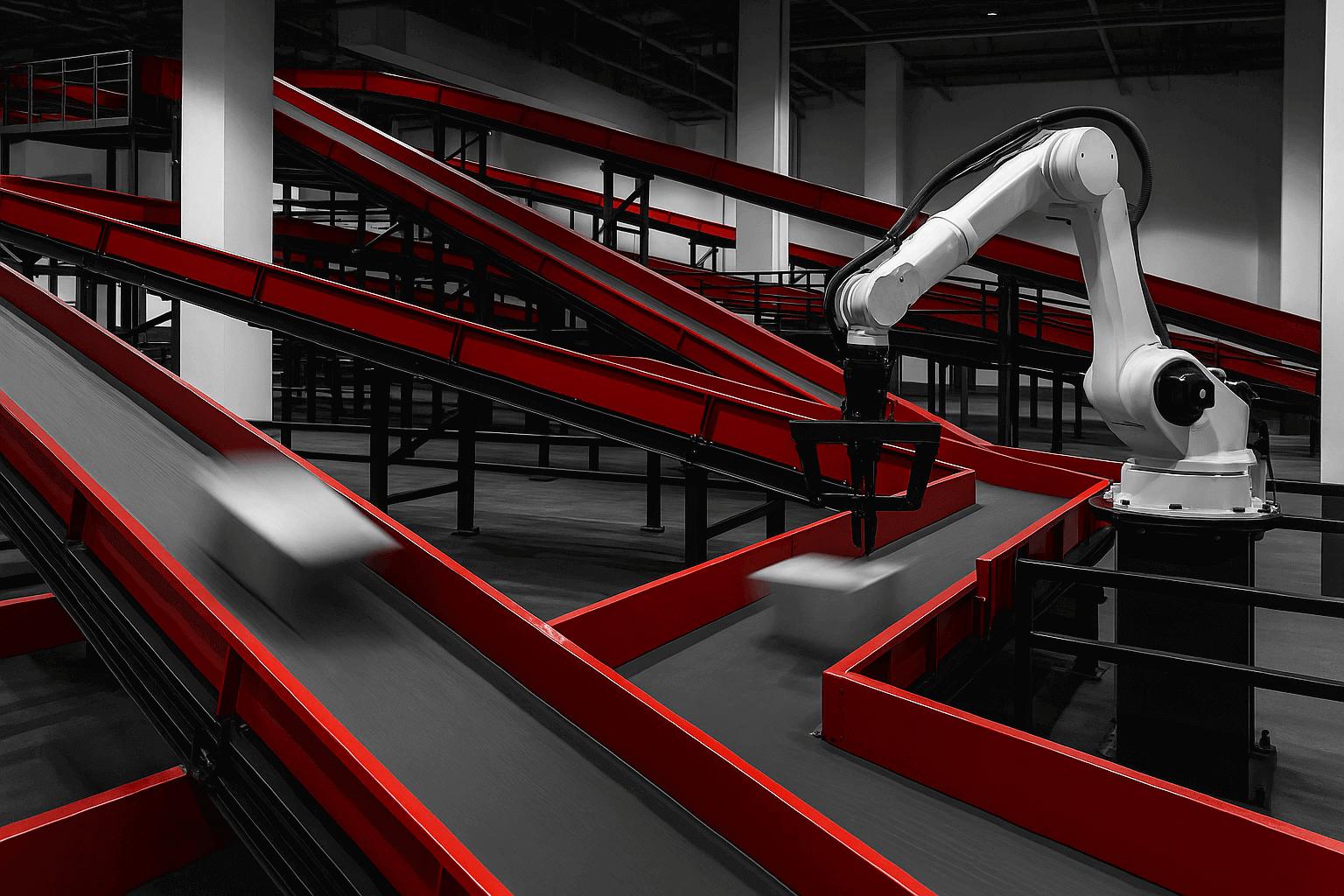

What Makes Conveyors “High-Speed”?


Conveyor belts are extremely versatile and are designed to carry out a wide variety of tasks at different speeds depending on the requirement. However, what makes them high-speed?


What Makes Conveyors “High-Speed”?

Several design features can be integrated to enable faster throughput:

High-performance motors and drives that maintain consistent velocity.

Precision control systems, often with variable frequency drives (VFDs), for smooth acceleration and deceleration.

Low-friction belts, rollers, and bearings designed for reduced resistance.

Embedded smart sensors for real-time package tracking, spacing, and jam detection.

Ability to handle hundreds of items per minute without compromising accuracy or safety features.

High-speed systems excel not just in moving products quickly and reducing the risk of bottlenecks, but also in synchronising with other automation solutions, such as robotics, for optimum efficiency.

Integrating Conveyors with Robotics

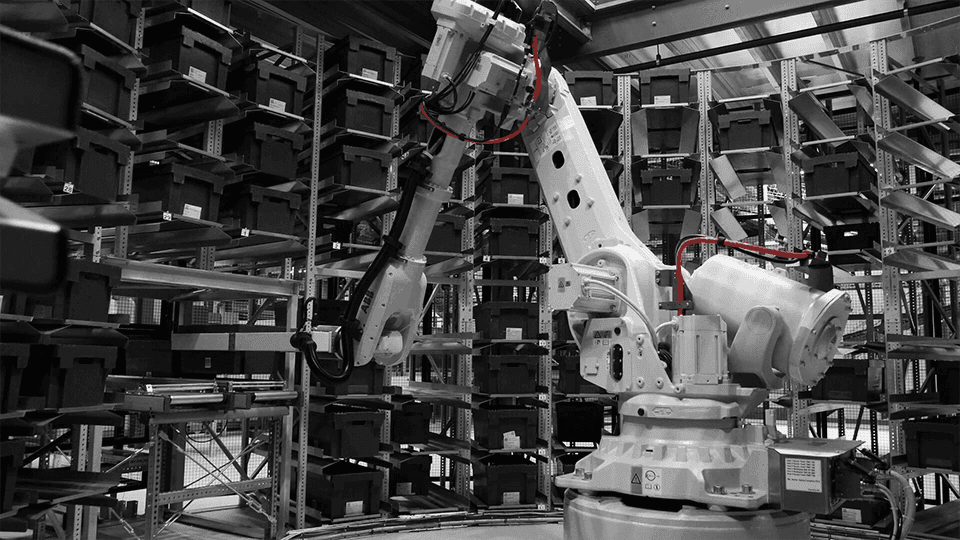
When paired with robotics, conveyors take automated order processing to the next level. From end-of-line pallet conveyors and palletising to high-speed sortation, robotics brings enhanced accuracy, repeatability, and efficiency to material handling operations.


Key integrations of robotic technologies with high-speed conveyors include:


Robotic Pick and Place: Vision-guided robots stationed along conveyors pick, pack, or re-route products with precision, optimising the pick process.

Automated Sortation: Robotic arms can separate SKUs directly from fast-moving conveyors for downstream processing.

Collaborative Robots (Cobots): Cobots at conveyor endpoints assist with tasks such as labelling and packaging.

End-of-Line Palletising: Robots can palletise products delivered by high-speed conveyors, creating seamless workflows.

Real-Time Synchronisation: Conveyor control systems integrated with robotic motion controllers ensure precise handoffs between moving products and robotic arms.

Benefits of Integrated High-Speed Conveyor-Robotic Systems


Operators that implement these systems see tangible gains through adaptability, accuracy, and efficiency, which support long-term business growth. Some of the key operational benefits include:

Faster order fulfilment and reduced lead times

Increased throughput with fewer errors

Reduced dependency on manual labour, leading to safer workplaces

Scalability to meet peak demand without sacrificing performance

Enhanced compliance and traceability, particularly important in pharma and food

These advantages highlight why integrated high-speed conveyor and robotic systems are being increasingly deployed, paving the way for sector-specific applications that drive operational excellence.

Sector-Specific Applications


The application of conveyor-robotics integration differs by industry and the type of products needing transportation.


Sector-Specific Applications


Key sectors using these combined high-speed conveyor and robotics systems include:

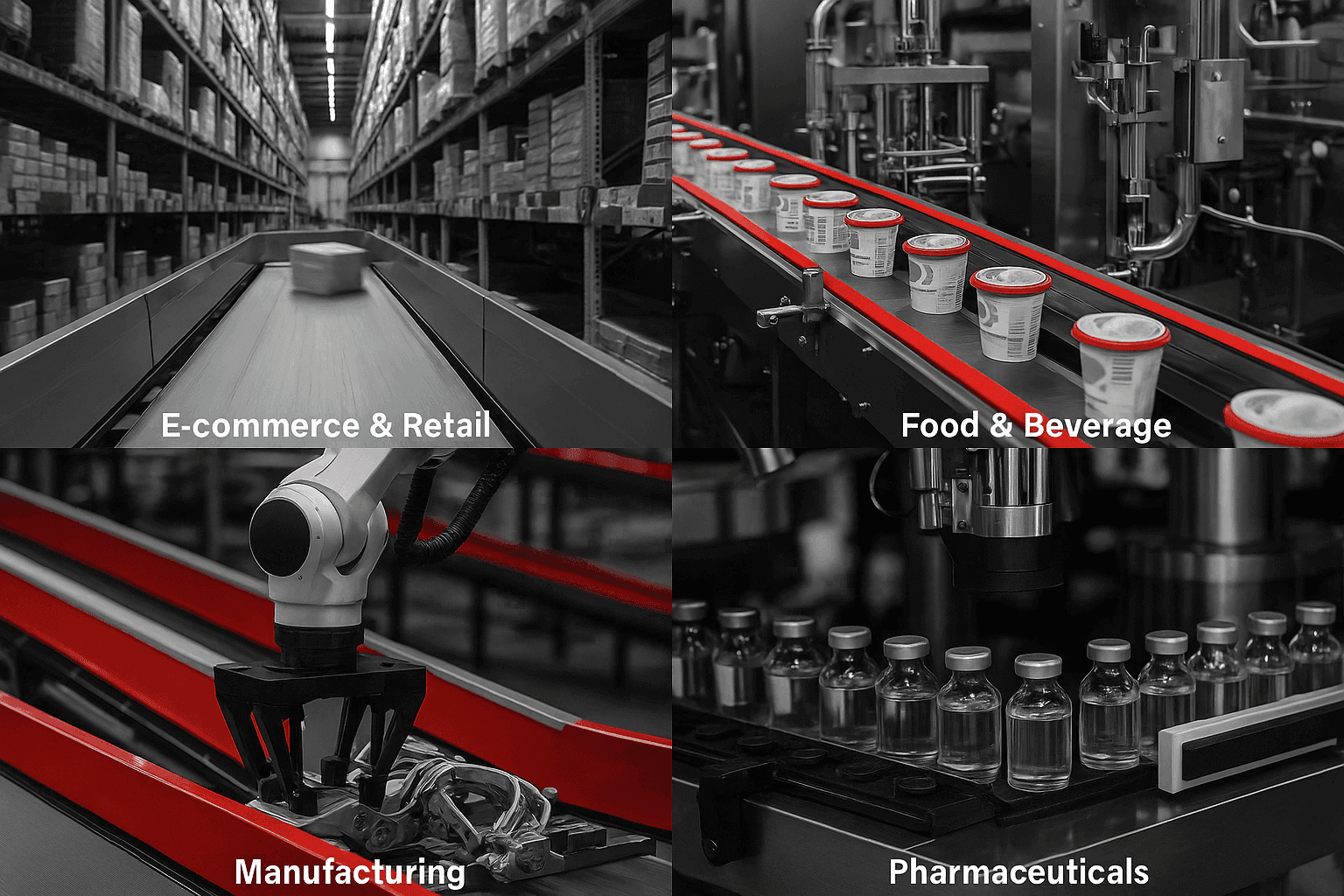
E-commerce & Retail

Rapid SKU sorting, returns management, and truck loading/unloading during peak demand.

Food & Beverage

Hygienic transport of perishable goods, automated packaging, and compliance with food safety regulations.

Manufacturing

Continuous assembly line automation, part transfer, and flexible production lines supported by custom conveyor systems.

Pharmaceuticals

Contamination-free handling, serialisation, and integration with warehouse management systems for inventory visibility and regulatory compliance.

Beyond Conveyors and Robotics: Other Automation Technologies

To further enhance order processing, conveyors and robotics often integrate with additional automation systems and technologies, including:


Automated Storage and Retrieval Systems (AS/RS) for high-density inventory storage and retrieval.

Automated Guided Vehicles (AGVs) and Autonomous Mobile Robots (AMRs) to automate areas or tasks not serviced by conveyors.

Vision Systems and AI for product identification, defect detection, and smart routing.

Warehouse Execution Systems (WES) for orchestrating material flow across conveyors, robots, and manual labour.

Machine Learning and Predictive Analytics to dynamically adjust conveyor speeds and robotic workloads based on patterns and demand trends.


The integration of supplementary systems and technologies enables operators to maximise space utilisation, automate complex or previously manual tasks, and achieve smarter, more responsive material handling.

Future-Ready Order Processing with High-Speed Conveyor Robotics

High-speed automated conveyor systems integrated with robotics are redefining what’s possible in order processing. By combining rapid movement of goods with intelligent robotic handling, businesses can achieve faster, more accurate, and more scalable operations. Looking ahead to the evolving use of AI and machine learning, the convergence of conveyors and robotics will continue to drive even greater levels of automation optimisation through real-time analysis and self-learning. Businesses adopting these technologies will position themselves at the forefront of efficient, safe, and future-ready operations.


Ready to enhance your operations with intelligent automation? Get in touch with our team today to discuss your bespoke conveyor and robotic integration solution.

Hachette LAC CONVEYORS
lac-white-logo

CONTACT US

Unit 3, Charles Park, Cinder Hill Road, Bulwell, Nottingham NG6 8RE

0115 975 3300

Sales enquiries: sales@lacgroup.co.uk

AFTER SALES ENQUIRIES