End of Line Palletising Solutions for Smarter Logistics

End of Line Palletising Solutions for Smarter Logistics

In modern warehousing and manufacturing, the final stage of the production line often determines overall operational efficiency. End-of-line operations such as palletising have evolved from manual, labour-intensive processes into sophisticated automation solutions that can significantly impact throughput, safety, and bottom-line performance. As businesses face mounting pressure to fulfil orders faster while managing labour shortages and rising costs, investing in the right palletiser system has become a strategic priority.

Understanding End of Line Palletising


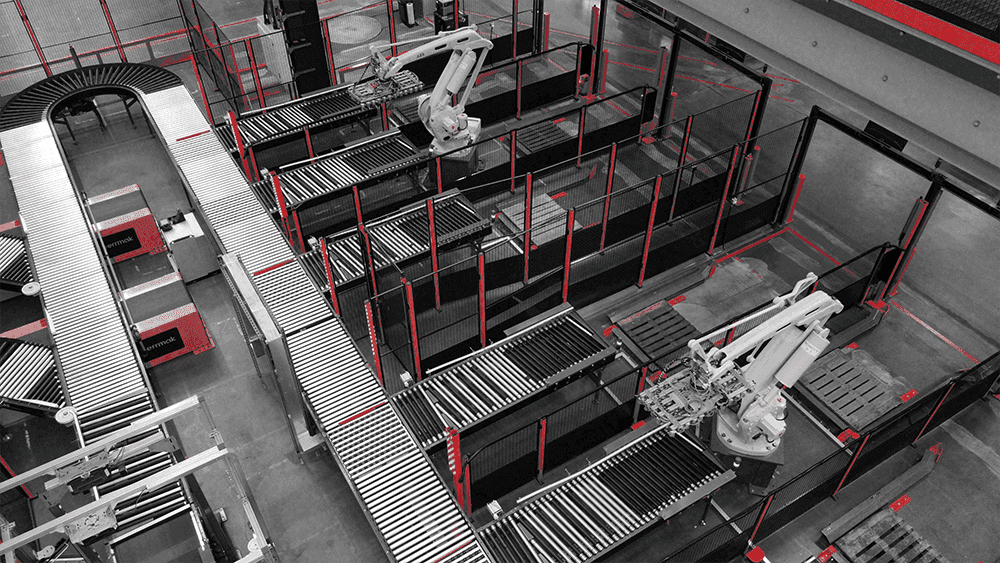
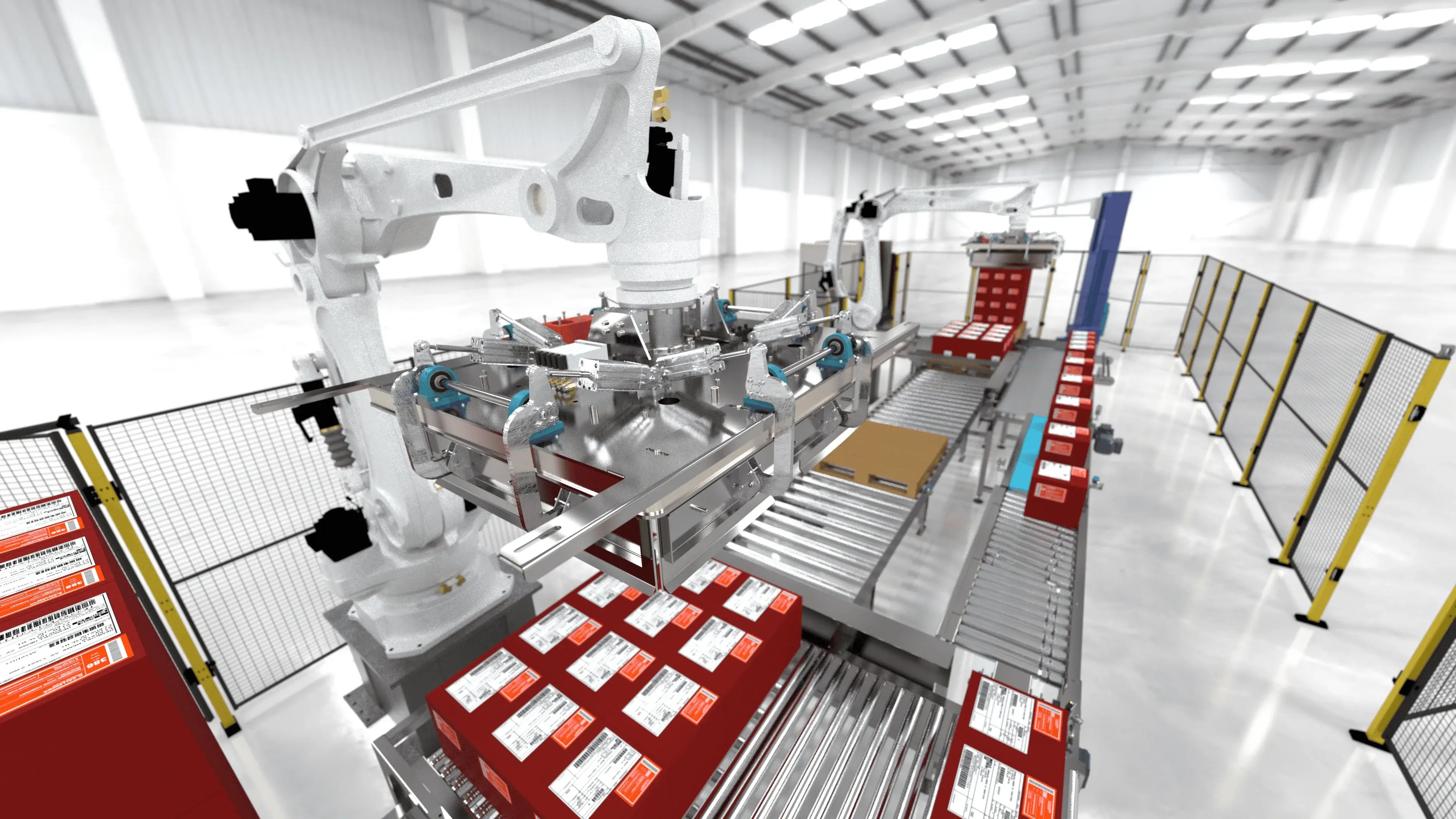
End of line palletising refers to the automated or semi-automated process of arranging products onto pallets at the conclusion of a production or packaging line. This critical step prepares goods for storage, distribution, or shipment. The robot palletiser system typically receives products from upstream processes, organises them according to predetermined patterns, and stacks them securely onto pallets ready for transport.

Modern robotic palletising systems can handle diverse packaging types, from boxes and bags to bottles and irregular shapes. The flexibility to accommodate different SKUs without extensive reconfiguration has made these systems indispensable across industries including food and beverage, pharmaceuticals, consumer goods, and building materials.

The Business Case for Automation

Manual palletising remains physically demanding and repetitive. Workers typically handle thousands of items per shift, leading to fatigue, reduced accuracy, and increased risk of musculoskeletal injuries. According to the Health and Safety Executive, handling, lifting, and carrying account for a significant proportion of workplace injuries reported annually in the UK.


Robotic automation addresses these challenges whilst delivering measurable operational benefits. Consistency in pallet construction improves load stability during transit, reducing product damage and associated costs. Systems can operate continuously without breaks, increasing throughput during peak periods. Labour can be redeployed to higher-value tasks that require human judgement and problem-solving skills.


The return on investment varies by application, but many operations report payback periods of two to four years when factoring in labour savings, reduced product loss, and improved throughput.

Types of Palletising Systems


Conventional Palletisers

These high-speed systems use industrial robots or mechanical arms to build pallets with precision and speed. Well-suited to operations with consistent product types and high volumes, conventional palletiser systems can achieve rates exceeding 100 cases per minute. They require dedicated floor space and typically represent a significant capital investment, making them ideal for established production lines with predictable demand.

Robotic Palletisers

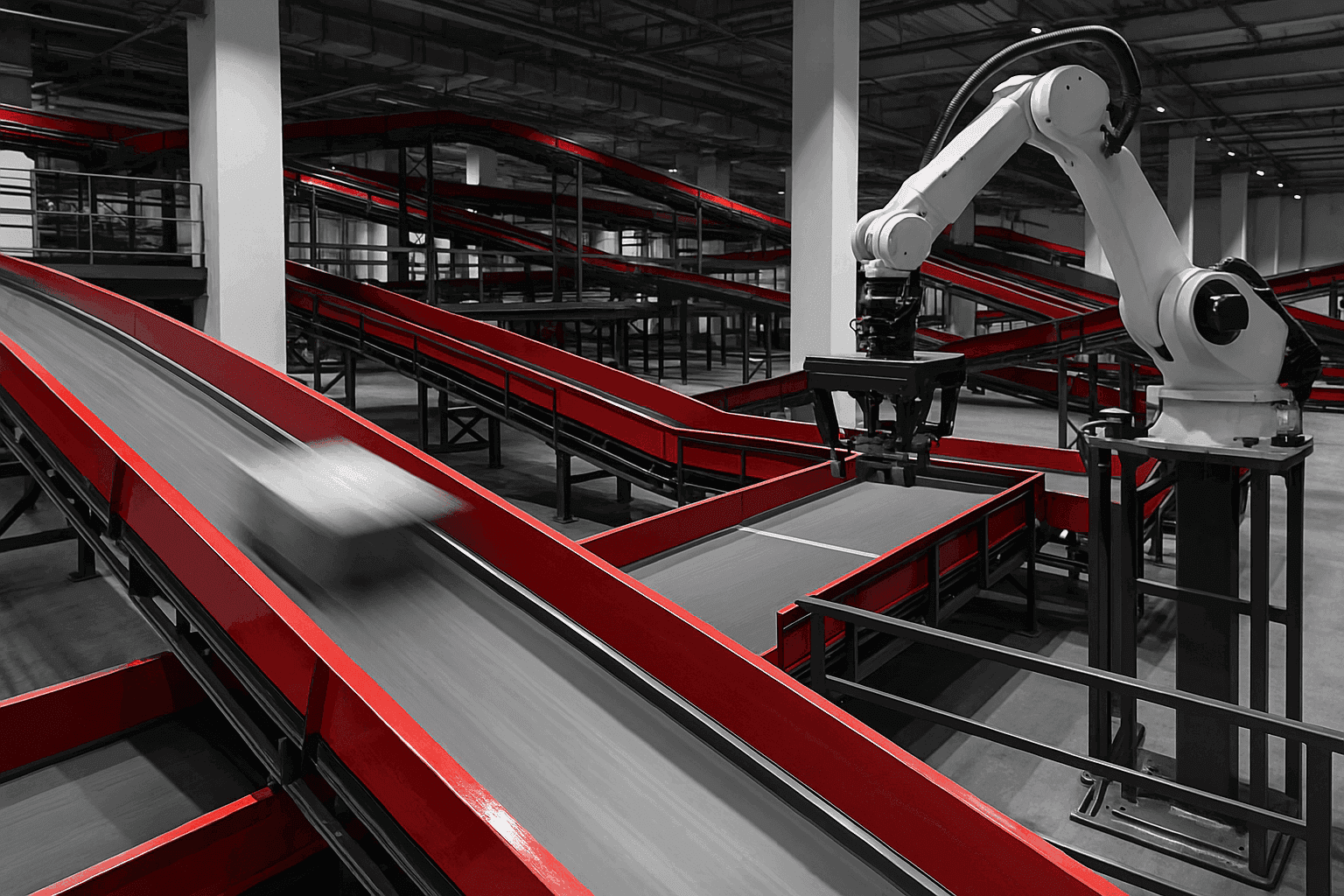
Robotic palletising systems use articulated arms equipped with specialised end-of-arm tooling to pick and place products onto pallets. Their primary advantage lies in flexibility. A single robot palletiser can handle multiple product types, switch between pallet patterns quickly, and often requires less floor space than conventional alternatives. This adaptability makes robotic palletising technology particularly attractive for operations managing diverse product portfolios or frequent changeovers.

Collaborative Systems

Emerging collaborative robots and cobot palletiser systems work alongside human operators, combining automation benefits with human oversight. These systems can be particularly effective in smaller operations or those transitioning gradually toward full automation. The use of cobot technology enables safe human-machine interaction while maintaining high productivity levels.

Integration and Workflow Optimisation

Successful end of line palletising extends beyond the robot palletiser itself. Integration with upstream processes, warehouse management systems, and downstream logistics determines overall effectiveness. Conveyor systems must deliver products at consistent rates matching the palletiser system’s capacity. Pallet dispensers, stretch wrappers, and labelling systems should operate synchronously to maintain flow.


Vision systems now play a key role in identifying product orientation, verifying barcode accuracy, and ensuring compliance with safety standards during pallet handling. Data connectivity through the warehouse control system enables real-time monitoring of performance metrics such as throughput rates, downtime causes, and maintenance requirements. This visibility supports continuous improvement initiatives and helps operations teams identify bottlenecks before they impact delivery commitments.


Selection Considerations


Choosing the appropriate robotic palletising system requires careful assessment of several factors. Product characteristics including size, weight, fragility, and shape variation influence modular system design. Production volumes and required throughput rates determine whether high-speed conventional systems or more flexible cobot palletisers make economic sense.


Available floor space often constrains options, particularly in established facilities where retrofitting automation solutions presents layout challenges. Future flexibility deserves consideration as well, with many operations benefiting from systems that can accommodate anticipated product line expansions or changing packaging types.


Budget constraints encompass not only initial capital expenditure but ongoing maintenance costs and the technical expertise required for operation and troubleshooting. Partnering with experienced systems integrators ensures a tailored approach that meets both current and future operational goals.

The Path Forward

End of line palletising represents a tangible opportunity for operations to enhance efficiency, improve workplace safety, and build resilience into their logistics processes. As robotic palletising technology continues to advance, systems become more accessible to mid-sized operations while offering increasingly sophisticated capabilities for high-volume environments. 


The key lies in matching the right palletising industry technology to specific operational requirements and ensuring alignment with modern robotic automation strategies.

Hachette LAC CONVEYORS
lac-white-logo

CONTACT US

Unit 3, Charles Park, Cinder Hill Road, Bulwell, Nottingham NG6 8RE

0115 975 3300

Sales enquiries: sales@lacgroup.co.uk

AFTER SALES ENQUIRIES