Automated Vertical Systems

How Automated Vertical Systems Are Transforming Warehouse Operations

The warehouse logistics sector is experiencing a radical shift. With e-commerce distribution centers growing rapidly and customer expectations for faster delivery constantly rising, businesses are under immense pressure to optimise their storage and retrieval processes. One technology leading this transformation is the automated vertical storage system, a solution redefining how automated warehouses utilise storage space, manage inventory, and fulfil orders.

What Are Automated Vertical Systems?


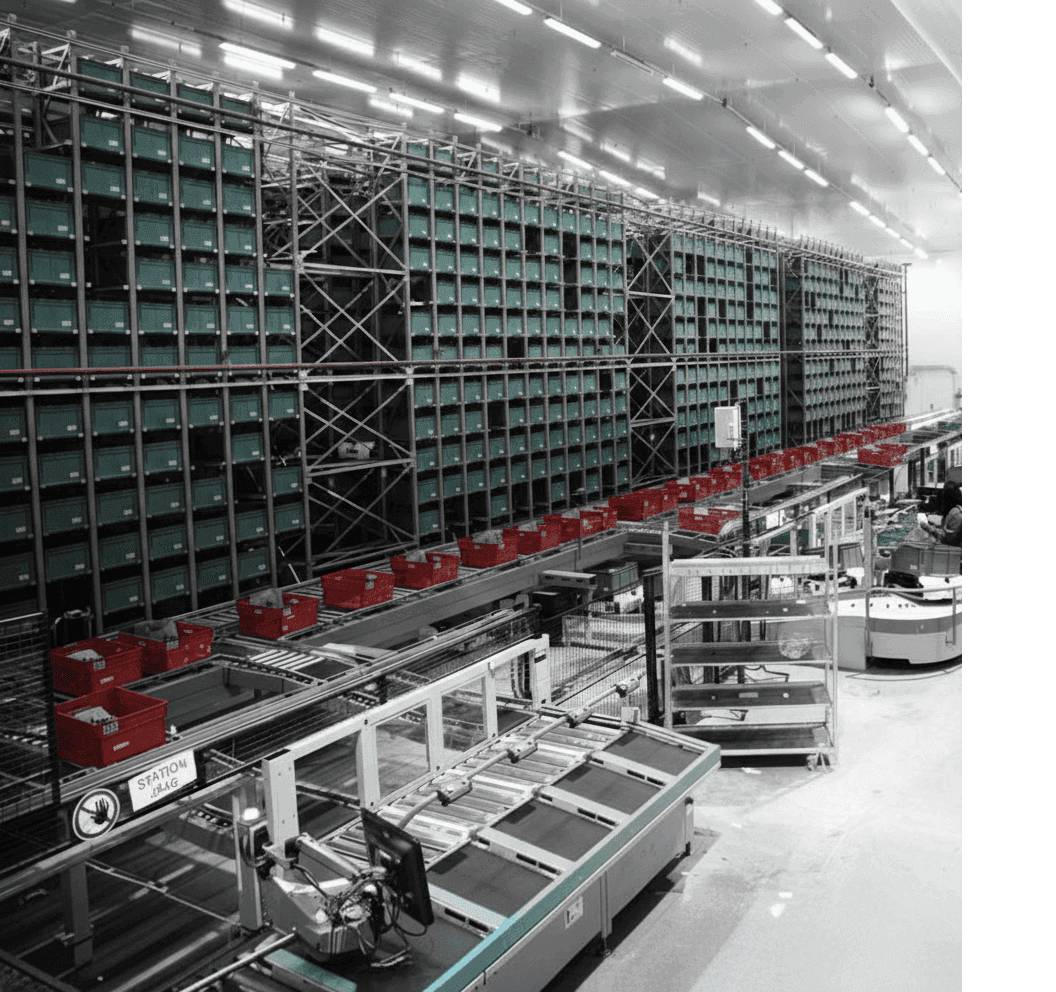
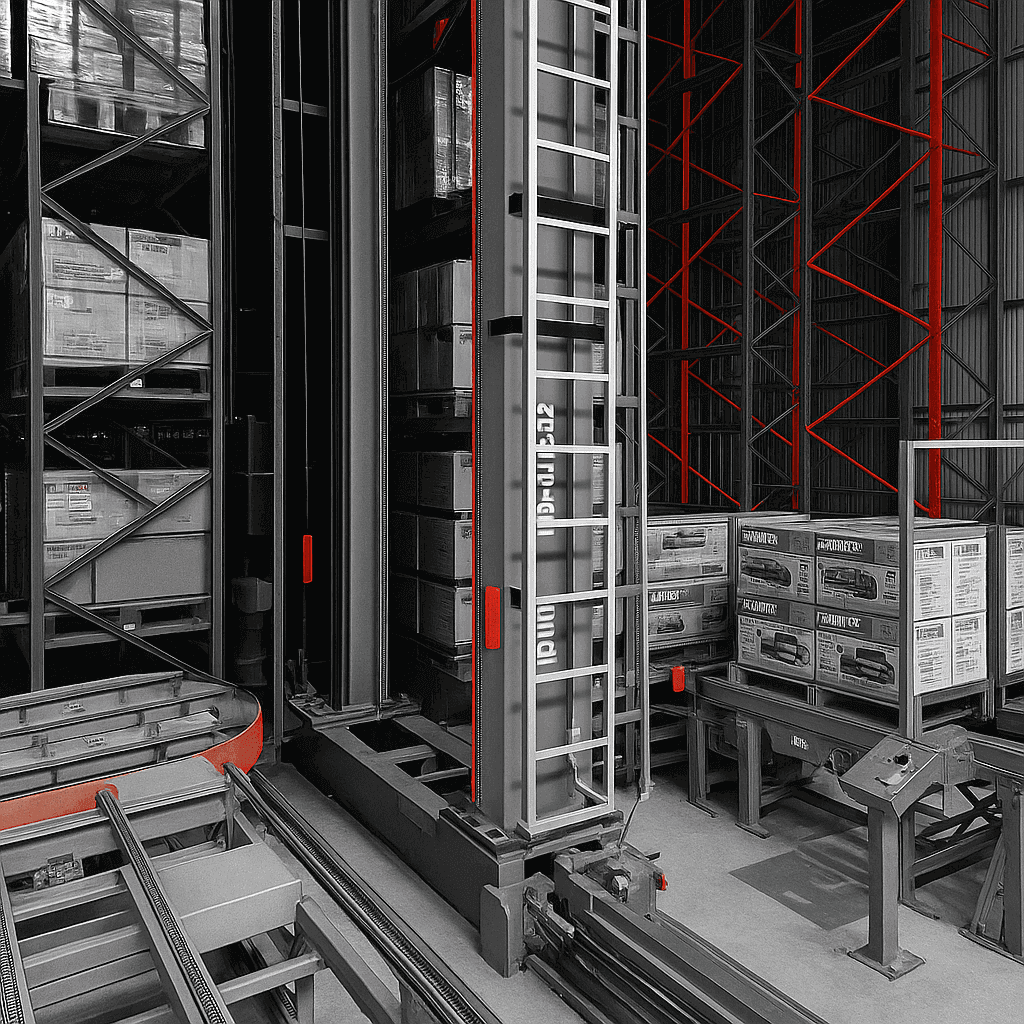
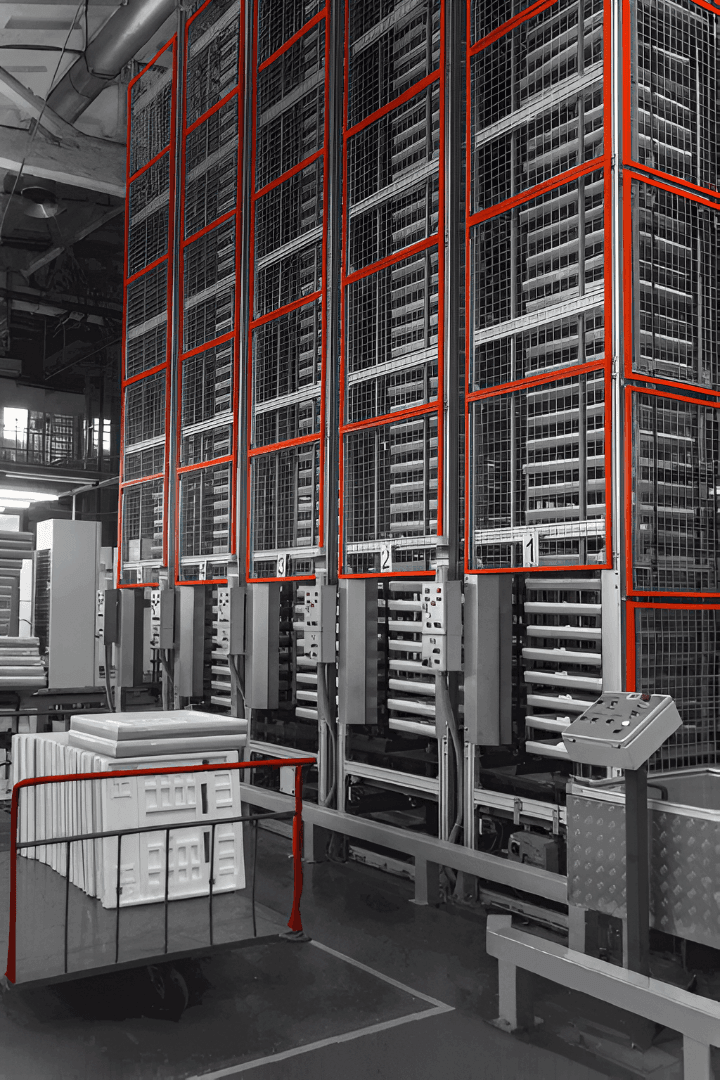
Automated vertical systems, often referred to as Vertical automated storage systems or vertical shuttle modules, are advanced storage systems that maximise vertical warehouse capacity rather than horizontal floor area. These storage units consist of two columns of trays or carriers with an automated retrieval mechanism positioned between them. When an operator requests an item, the system automatically delivers the correct tray to an ergonomic access point, eliminating the need for workers to travel through aisles or reach into high shelving.

The concept is simple yet powerful: instead of workers moving to products, products move to workers. This goods-to-person retrieval approach has significant implications for warehouse efficiency, handling efficiency, and safety across picking operations.

Benefits of Automated Vertical Systems

Maximising Space Utilisation


One of the most compelling advantages of Automated vertical storage systems is their ability to dramatically increase floor space capacity. Traditional shelving systems typically utilise only 25–30% of available cubic space, leaving much of the vertical storage underused. Automated vertical systems, by contrast, can reclaim up to 85% of storage space while using ceiling heights that would otherwise go to waste.


For logistic centers operating in urban areas where property costs are high, this efficiency translates directly into financial savings. Rather than expanding into larger premises, businesses can increase capacity within their existing footprint. Some organisations have reported doubling or even tripling their storage capability after implementing vertical automation.

Benefits of Automated Vertical Systems

Improving Picking Accuracy and Speed


Human error in picking operations remains a persistent challenge, with error rates often reaching 1–3% in manual environments. Automated storage and retrieval systems address this through precise inventory control software and guided retrieval processes.


When integrated with a warehouse management system, these automated solutions direct operators to the exact item required, often using light indicators or digital displays to confirm selection. This storage & retrieval system significantly improves stock-picking accuracy while increasing throughput. Workers no longer waste time walking between locations or searching through shelving, allowing them to complete more order fulfilment tasks per shift.


Enhancing Workplace Safety


Warehouse safety is a critical concern for any operation. Traditional storage systems often require workers to use ladders or forklifts in congested areas, which carry inherent risks.


Vertical automated storage systems eliminate many of these hazards by delivering items to an ergonomic height, typically between waist and chest level. Workers remain stationary rather than navigating potentially dangerous environments, and the risk of items falling from height is substantially reduced. The enclosed nature of these systems also protects stored goods, improving storage logistics and reducing damage.

Optimising Control and Future Flexibility


benefits of automated vertical systems

Supporting Inventory Visibility and Control

Modern automated storage and retrieval systems do more than simply store and retrieve items. When connected to inventory control software, they provide real-time visibility of stock levels, movement patterns, and spare parts availability. This data allows businesses to make informed decisions about reordering, identify slow-moving items, and improve inventory accuracy.

The system can also enforce warehouse system protocols, ensuring that items requiring specific environmental conditions are appropriately housed, or that high-value goods receive additional security. This level of control is difficult to achieve with manual storage units, where physical stocktakes are the primary method of maintaining accuracy.

Adapting to Changing Business Needs

The modern warehouse logistics environment must be agile and able to adapt to seasonal demand and changing product lines. Automated vertical storage systems offer flexibility through modular construction and reconfigurable trays.

Unlike fixed shelving that requires physical modification to accommodate new products, Vertical storage systems can be adjusted through inventory control software. Tray configurations can be modified to store items of varying sizes, and the system can be reprogrammed to prioritise products based on real-time demand. This adaptability ensures that the storage system evolves alongside the business.

The Future of Warehouse Storage

As automated warehouses continue to face space and labour challenges, automated vertical storage systems provide a proven solution that enhances warehouse efficiency, safety, and productivity. Integrated with conveyor systems, autonomous mobile robotics, or an autonomous mobile robot network, these systems enable seamless product flow across facilities.


In 3PL warehouses and e-commerce distribution centers, this combination supports faster order fulfilment and optimised handling efficiency.


The technology is no longer emerging but well-established, with numerous vertical warehouse installations showing measurable returns through reduced labour costs, improved accuracy, and maximised space usage. For warehouse operators, the question is not whether to automate vertically, but how soon to implement these intelligent storage & retrieval systems to stay competitive in modern warehouse logistics.

The Future of Warehouse Storage
lac-white-logo

CONTACT US

Unit 3, Charles Park, Cinder Hill Road, Bulwell, Nottingham NG6 8RE

0115 975 3300

Sales enquiries: sales@lacgroup.co.uk

AFTER SALES ENQUIRIES